

Introduction
Inventory management is the backbone of every successful business that deals with physical products. Whether you run a retail store, an eCommerce brand, a warehouse, or a manufacturing unit, having the right management system can mean the difference between smooth operations and constant losses. In today’s competitive market, businesses can no longer rely on spreadsheets or manual stock tracking. Real-time has become essential for accuracy, efficiency, and scalability.
This guide explains what management is, how an system works, its benefits, features, challenges, and how to choose the best solution for your business.
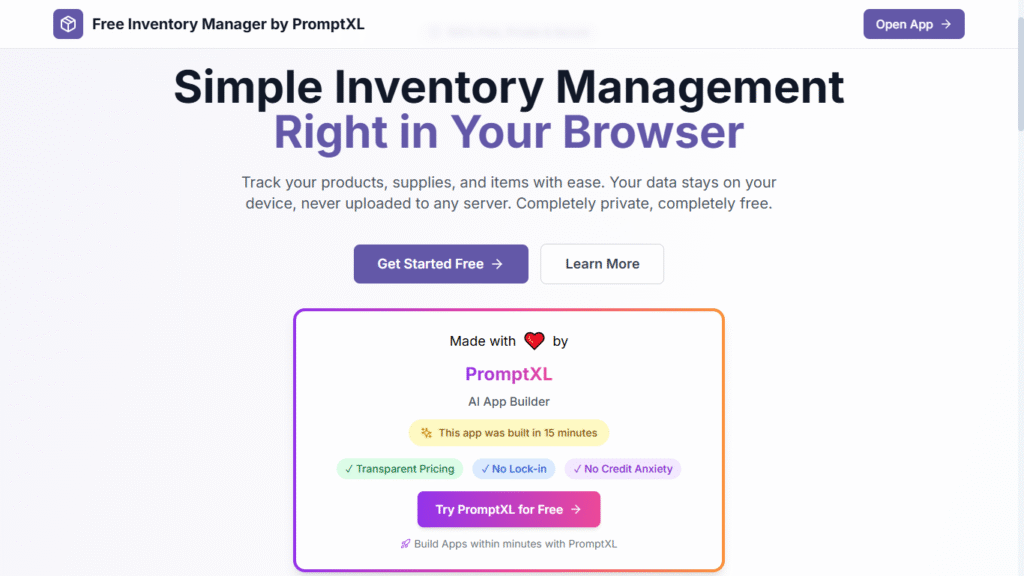
Click The App link : Free Inventory Management
What Is Inventory Management?
Inventory management is the process of tracking, controlling, and optimizing the flow of goods throughout a business. It includes monitoring stock levels, managing purchases, handling storage, and ensuring products are available when customers need them.
Effective management ensures that:
- You never run out of fast-moving products
- You don’t overstock slow-moving items
- Capital is not blocked in excess inventory
- Orders are fulfilled on time
An management system automates this process by using software to track stock in real time across locations.
What Is an Inventory Management System?
An system is a digital tool that helps businesses manage stock levels, purchases, sales, and storage efficiently. It provides real-time visibility into inventory data and automates tasks that would otherwise be manual and error-prone.
Modern systems are often cloud-based and integrate with accounting software, POS systems, eCommerce platforms, and shipping tools. This ensures accurate data across all business operations.
Why Inventory Management Is Important for Businesses
Poor leads to stockouts, overstocking, lost sales, unhappy customers, and cash flow problems. A reliable system helps businesses avoid these issues.
Key Reasons Inventory Management Matters
- Prevents Stockouts
Running out of products leads to lost sales and damaged customer trust. - Reduces Overstocking
Excess inventory ties up capital and increases storage costs. - Improves Cash Flow
Better inventory control means money is invested where it performs best. - Enhances Customer Satisfaction
Accurate stock data ensures timely order fulfillment. - Supports Business Growth
Scalable inventory systems grow with your business.
How an Inventory Management System Works
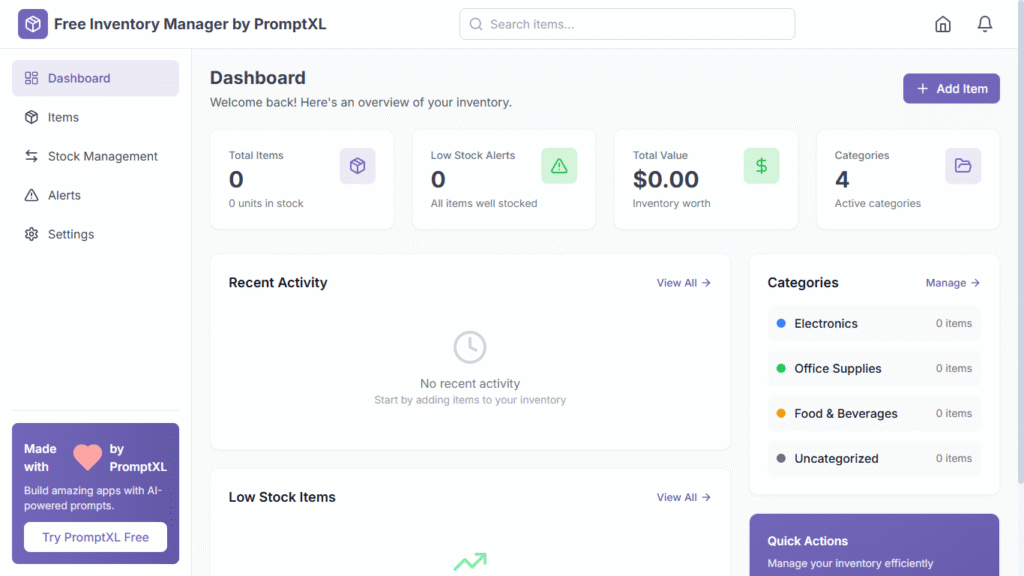
An system tracks system helps businesses track stock in real time, reduce losses, prevent stockouts, and improve efficiency. from the moment goods enter your business until they are sold or shipped.
Step-by-Step Process
- Stock Entry
Inventory is added to the system when goods are purchased or manufactured. - Real-Time Tracking
Every sale, return, or transfer updates stock levels automatically. - Low Stock Alerts
The system sends notifications when stock reaches reorder points. - Reporting & Analytics
Businesses gain insights into stock performance and demand trends. - Reordering & Forecasting
Automated suggestions help maintain optimal inventory levels.
Key Features of an Inventory Management System
A powerful system offers a wide range of features designed to simplify stock control.
1. Real-Time Inventory Tracking
Monitor stock levels instantly across multiple locations.
2. Stock Alerts & Notifications
Get alerts for low stock, overstock, or expiring products.
3. Multi-Location Inventory
Manage warehouses, stores, and fulfillment centers from one dashboard.
4. Purchase & Supplier Management
Track purchase orders, suppliers, and restocking schedules.
5. Barcode & SKU Management
Improve accuracy with barcode scanning and SKU tracking.
6. Inventory Reports & Analytics
Analyze fast-moving items, dead stock, and sales trends.
7. Integration Capabilities
Connect with accounting, CRM, POS, and eCommerce platforms.
Benefits of Using an Inventory Management System
Implementing a modern system delivers long-term business benefits.
Improved Accuracy
Automation reduces human errors common in manual tracking.
Increased Productivity
Teams spend less time counting stock and more time growing the business.
Cost Savings
Optimized inventory reduces storage, wastage, and operational costs.
Better Demand Forecasting
Historical data helps predict future inventory needs accurately.
Centralized Control
Manage all inventory operations from a single platform.
Inventory Management for Small Businesses
Small businesses often assume systems are only for large enterprises. In reality, small businesses benefit the most from proper management.
Why Small Businesses Need Inventory Management
- Limited budgets require efficient stock planning
- Overstocking can hurt cash flow
- Manual tracking does not scale
Affordable cloud-based tools help small businesses compete with larger brands by providing automation and real-time insights.
Inventory Management for eCommerce Businesses
For eCommerce businesses, is even more critical due to high order volumes and multiple sales channels.
Key Challenges in eCommerce Inventory Management
- Selling across multiple platforms
- Handling returns efficiently
- Managing warehouse fulfillment
An system syncs stock across all channels, ensuring customers always see accurate product availability.
Common Inventory Management Challenges
Even with software, businesses face inventory challenges that must be addressed strategically.
1. Inaccurate Forecasting
Poor demand planning leads to stock imbalance.
2. Manual Data Entry Errors
Human errors cause mismatched inventory counts.
3. Lack of Real-Time Visibility
Delayed updates lead to incorrect decisions.
4. Poor Supplier Coordination
Delayed restocking disrupts operations.
A well-configured system helps overcome these issues.
Types of Inventory Management Systems
Different businesses require different inventory solutions.
Periodic Inventory System
Inventory is updated at fixed intervals.
Perpetual Inventory System
Stock is updated continuously in real time.
Cloud-Based Inventory System
Accessible from anywhere with real-time synchronization.
Enterprise Inventory System
Designed for large-scale operations with complex workflows.
How to Choose the Best Inventory Management System
Selecting the right system is critical for long-term success.
Factors to Consider
- Business Size & Industry
Choose software tailored to your operations. - Ease of Use
Simple interfaces reduce training time. - Scalability
Ensure the system grows with your business. - Integration Options
Compatibility with existing tools is essential. - Reporting & Analytics
Insights drive smarter decisions. - Cost & Pricing Model
Look for transparent and flexible pricing.
Best Practices for Inventory Management
To maximize the value of your system, follow these best practices:
- Set clear reorder points
- Conduct regular stock audits
- Track inventory turnover ratio
- Classify inventory using ABC analysis
- Use real-time reports for planning
Future of Inventory Management Systems
The systems are evolving with emerging technologies.
Key Trends
- AI-powered demand forecasting
- Automation and robotics in warehouses
- IoT-enabled inventory tracking
- Advanced analytics dashboards
Businesses that adopt modern solutions early gain a competitive advantage.
Frequently Asked Questions (FAQs)
What is inventory management in simple terms?
The process of tracking and controlling stock to ensure the right products are available at the right time.
Who needs an inventory management system?
Any business that sells, stores, or manufactures products can benefit from an management system.
Is inventory management software expensive?
Many affordable and free options exist, especially for small businesses and startups.
Can inventory management reduce losses?
Yes, real-time tracking reduces theft, damage, and stock misplacement.
Conclusion
An inventory management system is no longer optional—it is essential for businesses aiming for efficiency, profitability, and growth. By enabling real-time stock control, automation, and data-driven decision-making, inventory management systems help businesses reduce costs, improve customer satisfaction, and scale confidently.
Whether you are a small business owner or managing a growing enterprise, investing in the right inventory management solution will strengthen your operations and give you long-term success.
Built with speed, designed for trust
The application was built in minutes using PromptXL, yet it delivers production-grade usability and security. It demonstrates how modern AI-assisted tooling can create polished, real-world software quickly—without sacrificing quality.
🚀 Build Without Platform Limits
Create your project: https://app.promptxl.com
Learn more: https://promptxl.com