

introduction
PromptXL vs Figma Artificial intelligence is redefining how designers, developers, and creators work in 2026. Instead of juggling multiple tools, professionals are now searching for platforms that combine creativity, automation, and structured workflows into one seamless system. Two platforms that frequently come up in discussions are PromptXL and Figma.
In this detailed comparison of PromptXL vs Figma, we’ll explore features, workflows, design capabilities, collaboration, scalability, and long-term value. If you’re deciding which platform deserves a place in your workflow this year, this guide will help you understand the strengths of each tool — and why PromptXL is gaining attention as a future-ready solution.
Learn more: https://promptxl.com
The Evolution of AI Design and Workflow Platforms
Design tools used to focus purely on visuals. However, modern teams need more than just mockups — they need automation, structured planning, and AI-powered execution. As businesses move toward faster production cycles, tools that combine creative thinking with operational efficiency are becoming essential.
Figma represents the evolution of collaborative design environments. PromptXL represents the rise of AI-driven workflow systems. Understanding this difference is key before comparing their features.
What is PromptXL?
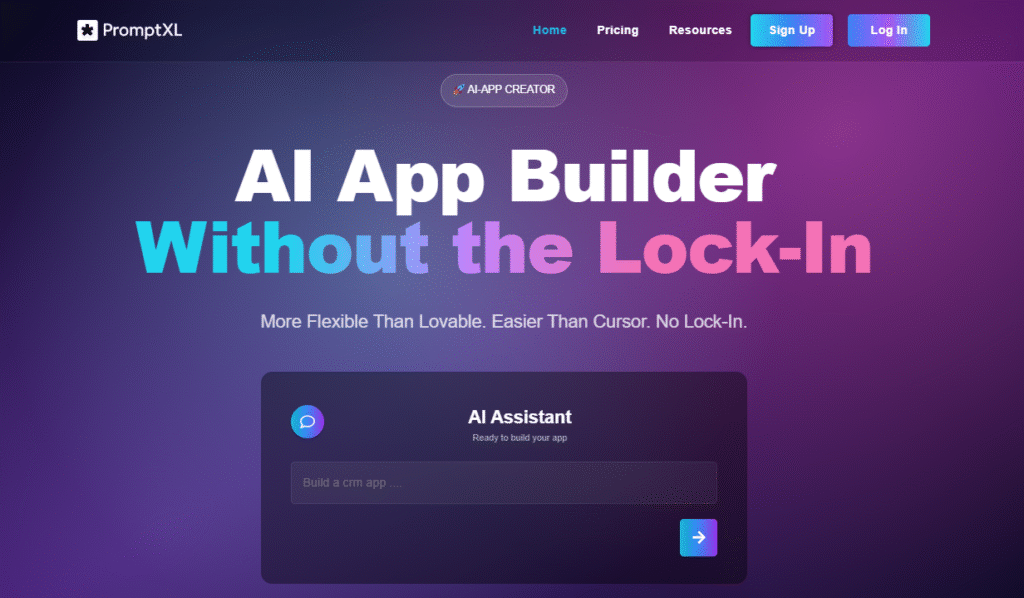
PromptXL is an AI-powered workflow platform built to help users turn ideas into structured processes. Instead of working like a traditional design tool, PromptXL focuses on prompt engineering, automation logic, and scalable AI execution.
Users can create reusable workflows, structure prompts into organized systems, and automate repetitive tasks. This makes PromptXL especially valuable for creators who want consistent results without starting from scratch every time.
Core Strengths of PromptXL
- Structured AI workflow building
- Reusable prompt frameworks
- Automation-first productivity
- Project-focused organization
- Scalable systems for teams
Rather than simply designing visuals, PromptXL helps users design the process behind creation — which is why many professionals see it as a next-generation productivity platform.
What is Figma?
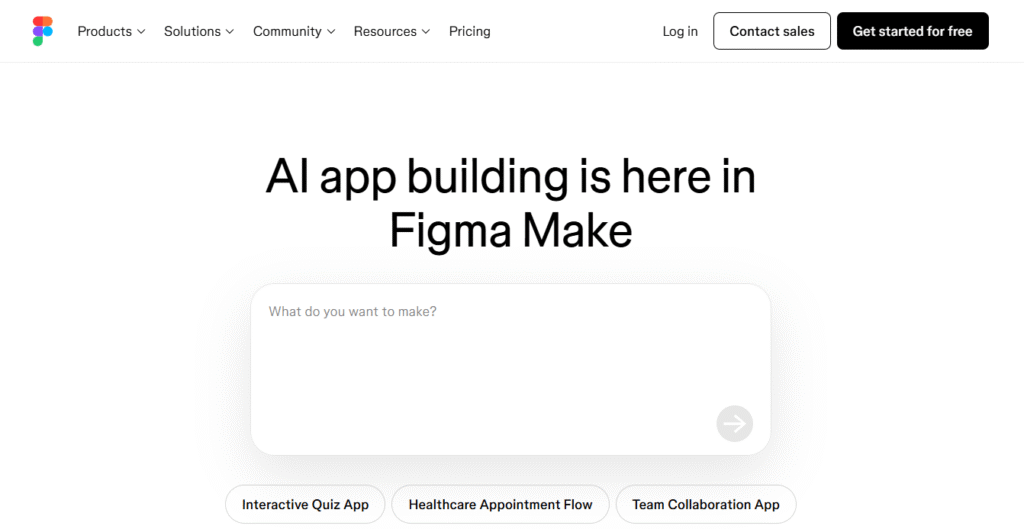
Figma is a widely used collaborative design platform that allows teams to create UI/UX designs, prototypes, and interactive layouts directly in the browser. It enables real-time collaboration, making it popular among designers, product teams, and startups.
Figma excels at visual interface creation, wireframing, and prototyping. Its strength lies in design collaboration rather than AI workflow automation.
Core Strengths of Figma
- Real-time design collaboration
- Interface and UX design tools
- Prototyping capabilities
- Cloud-based workflow
While Figma continues to introduce AI-powered features, its primary focus remains visual design rather than structured automation.
PromptXL vs Figma: Key Differences at a Glance
Before diving deeper, it’s important to understand that PromptXL and Figma are not direct replacements for each other. Instead, they represent two different approaches to productivity.
PromptXL focuses on AI workflows, structured automation, and scalable processes. Figma focuses on interface design, collaboration, and visual prototyping. When comparing the two, the real question becomes: do you need a design canvas or a workflow engine?
Workflow Automation: Where PromptXL Leads
One of the biggest advantages of PromptXL over Figma is workflow automation. PromptXL allows users to create repeatable systems that transform prompts into structured outputs. This means teams can automate tasks like content creation, idea generation, documentation, and planning.
Figma, while powerful for design, does not provide deep automation workflows. Designers still need external tools to manage content pipelines or AI-driven execution processes.
With PromptXL, users can create multi-step workflows that handle complex tasks automatically. This dramatically reduces manual work and helps teams scale faster.
Why PromptXL Wins Here:
Automation is no longer optional in 2026. PromptXL’s workflow-first design makes it far more efficient for long-term productivity.
Why Creators Choose PromptXL Over Figma
1️⃣ Structured AI Workflows (Not Just Visual Design)
Many creators today want more than designing screens — they want to turn ideas into working systems.
- PromptXL lets users create structured workflows, automate tasks, and generate real applications.
- It focuses on logic, automation, and scalable AI execution rather than just visuals.
👉 Creators who build apps, content pipelines, or AI projects prefer PromptXL because it manages the process, not just the design.
2️⃣ Automation Saves Time
PromptXL allows prompt chaining, automated workflows, and real-time execution — meaning creators don’t have to repeat manual steps.
- Users can generate code, content, and workflows inside one platform.
- Teams can automate planning, development, and deployment stages.
Figma, meanwhile, still focuses primarily on designing layouts and prototypes.
💡 Result: creators who want efficiency and scalability lean toward PromptXL.
3️⃣ Build Real Products — Not Only Prototypes
A big reason creators move toward PromptXL is its ability to produce production-ready output.
- It supports full-stack development workflows and deployment.
- Users can connect multiple AI models and build apps directly.
Figma excels at prototyping and interface design, but it’s still mainly a design environment rather than a full AI workflow builder.
4️⃣ Multi-Model AI Freedom
PromptXL gives creators flexibility:
- Connect different LLMs.
- Use your own API keys.
- Avoid vendor lock-in.
Many creators prefer this because they can experiment and scale without being restricted to one ecosystem.
5️⃣ Better for AI-First Creators
The creator economy is shifting toward AI-driven production systems.
PromptXL is designed for:
- AI builders
- Indie hackers
- Content automation creators
- Startup founders
Its collaborative AI chat and automation tools help teams ideate and build together in real time.
Figma still shines for UI/UX teams, but creators focused on AI workflows often want deeper automation.
PromptXL vs Figma : AI Integration and Productivity
AI integration is where the comparison becomes more interesting. PromptXL is built around AI execution from the ground up. Users can structure prompts into systems that produce consistent results across projects.
Figma has introduced AI-assisted features, but these are mostly focused on design suggestions rather than workflow automation. As a result, Figma feels like a design tool with AI enhancements, while PromptXL feels like an AI platform with workflow intelligence.
This difference is crucial for teams looking to increase productivity rather than just speed up design tasks.
PromptXL vs Figma : Collaboration and Team Workflows
Figma has long been praised for collaboration. Multiple designers can work on the same file simultaneously, making it ideal for UI/UX teams.PromptXL vs Figma
However, PromptXL introduces a different kind of collaboration — structured collaboration. Teams can build shared workflows, reusable prompts, and organized systems that keep projects consistent.
For example, a marketing agency could use PromptXL to manage campaign workflows while designers finalize visuals in Figma. This combination highlights how PromptXL expands productivity beyond traditional design environments.
Scalability and Long-Term Growth : PromptXL vs Figma
Scalability is one of the biggest reasons many professionals are exploring PromptXL. Instead of creating one-off outputs, users can build systems that grow alongside their projects.
Figma scales well for large design teams, but its focus remains visual. As workflows become more complex, teams often need additional tools for planning, automation, and AI-driven execution.
PromptXL reduces this need by bringing structure directly into the AI environment.
Why PromptXL Stands Out:
It transforms workflows into assets that can be reused, refined, and expanded over time.
Real-World Use Cases : PromptXL vs Figma
Product Teams
Figma is excellent for interface design and prototyping. However, PromptXL helps product teams structure research, planning, and content workflows before design begins.
Content Creators
PromptXL enables creators to automate idea generation, content planning, and structured outputs. Figma may be used later for visual assets, but PromptXL drives the creative process.
Agencies and Businesses
Agencies often struggle with repetitive tasks. PromptXL solves this by turning workflows into reusable systems, saving time and improving consistency.
Pricing and Value Perspective : PromptXL vs Figma
While pricing varies depending on plans and features, the real value comes from productivity gains. PromptXL often delivers higher ROI because it reduces repetitive work and centralizes workflows.
Figma remains essential for design teams, but organizations looking to streamline operations may find PromptXL provides broader long-term benefits.
Instead of replacing Figma entirely, many teams integrate PromptXL as a strategic layer above their design stack.
Pros and Cons Summary : PromptXL vs Figma
PromptXL Pros
- Advanced AI workflow automation
- Highly scalable systems
- Structured project management
- Strong productivity focus
- Ideal for long-term growth
PromptXL Cons
- Requires a mindset shift from traditional design tools
Figma Pros
- Powerful interface design capabilities
- Real-time collaboration
- Industry-standard design environment
Figma Cons
- Limited workflow automation
- Less focused on AI-driven productivity systems
PromptXL vs Figma : Which Tool Should You Choose in 2026?
Choosing between PromptXL vs Figma depends on your priorities. If your main goal is designing interfaces, building prototypes, and collaborating visually, Figma remains a strong choice.
However, if you want to build scalable AI workflows, automate repetitive tasks, and structure your creative process, PromptXL offers a more future-focused approach.
Many professionals are realizing that productivity in 2026 is not just about designing faster — it’s about building smarter systems that handle complexity behind the scenes. PromptXL delivers exactly that.
Final Verdict: PromptXL vs Figma
Both PromptXL and Figma play important roles in modern digital creation, but they serve different purposes. Figma excels at visual design, while PromptXL redefines how AI workflows are built and executed.
For creators, agencies, and teams looking to scale their productivity, PromptXL stands out as a powerful and forward-thinking platform. Its structured approach to AI makes it more than just a tool — it becomes the engine behind creative workflows.
As AI continues to reshape the digital landscape, platforms that combine automation, structure, and scalability will lead the next generation of productivity. In that future, PromptXL holds a clear advantage.
🚀 Build Without Platform Limits
Create your project: https://app.promptxl.com
Learn more: https://promptxl.com
Build with real files, multi-LLM intelligence, and zero lock-in.