

Introduction
Floot Alternatives promises something founders have wanted for years: an all-in-one AI app builder that lets you ship real products without touching code or infrastructure. Backend, database, hosting, auth—it’s all bundled together under one subscription.
As more teams actually use Floot in real projects, the same issues keep surfacing: limited integrations, imprecise edits, platform lock-in, and a learning curve that can feel heavy if you just want something simple. Because of that, interest in Floot alternatives has exploded—especially tools that offer more flexibility, control, or lighter workflows.
In this guide, we’ll break down the best Floot alternatives, including a deep comparison with PromptXL, and explain where each tool shines—and where it falls short.
What Is Floot?

Floot is a no-code, AI-powered web app builder designed to give non-technical founders a complete stack in one place.
Instead of setting up your own backend, database, hosting, and authentication, Floot bundles everything together. You describe what you want to build (via prompts or sketches), and Floot generates the code, wires the stack, and deploys your app.
It’s positioned as a serious, production-ready AI app builder for SaaS founders who don’t want to manage infrastructure.
Why Look for a Floot Alternatives?
Floot’s all-in-one approach is appealing—but it’s not for everyone. Here’s why many users start looking for alternatives:
1. Limited Integrations
Floot’s closed ecosystem can feel restrictive. If your product relies on external APIs, custom services, or non-standard workflows, you may hit walls quickly.
2. Precision Issues
Edits sometimes apply too broadly. Asking the AI to change one element can unintentionally affect multiple parts of the app.
3. Overkill for Simple Projects
For landing pages or lightweight tools, Floot can feel heavier than necessary.
4. Learning Curve
Despite being “no-code,” Floot still requires time to understand its concepts and workflows.
5. Lock-In Risk
Your app lives inside Floot’s hosting and environment, which can be risky if you want long-term flexibility or ownership.
Because of these trade-offs, many teams explore Floot alternatives that approach AI app building differently.
The Best Floot Alternatives (Including PromptXL)
Currently, the strongest alternatives fall into five categories:
- PromptXL
- Shipper.now
- Lovable
- Bolt.new
- Cursor
Let’s break them down one by one, starting with the most flexible option.
1. PromptXL (Best Floot Alternatives for Control & Ownership)
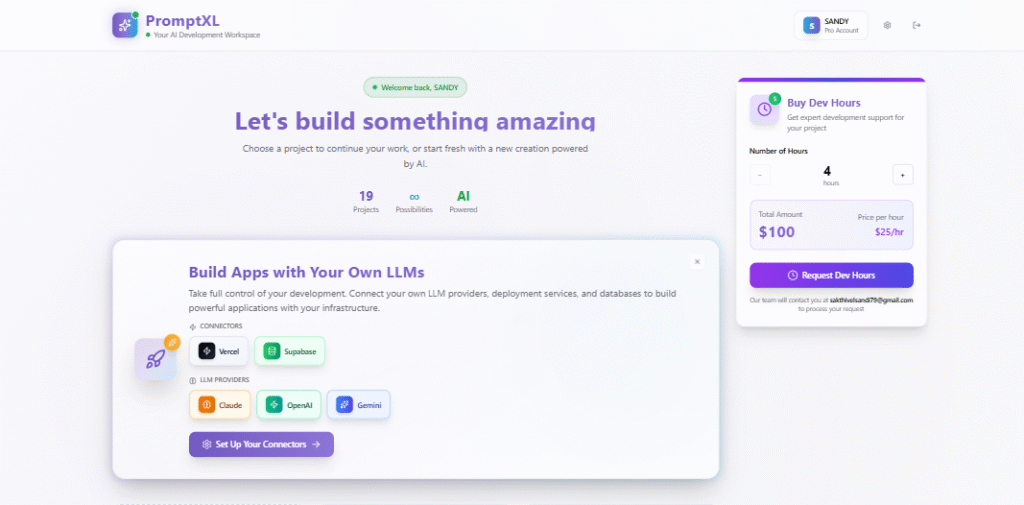
PromptXL takes a very different approach from Floot.
Rather than being an all-in-one no-code platform, PromptXL is a developer-first AI build system focused on real files, real code, and full ownership.
Why PromptXL Stands Out
Full File Ownership
PromptXL generates real project files from day one. Your code lives outside the platform, which means no lock-in and easy migration.
Multi-LLM Support
Unlike Floot’s platform-controlled models, PromptXL supports multiple AI providers:
- Claude
- Gemini
- OpenAI (coming soon)
- Groq, Qwen, DeepSeek (planned)
No Forced Credit Limits
You can bring your own API keys. Credits are optional, so heavy iteration doesn’t feel stressful or constrained.
Platform Independence
No forced backend, hosting, or framework. You choose your stack.
PromptXL vs Floot (Quick Take)
- Floot = bundled, guided, closed
- PromptXL = open, flexible, ownership-first
PromptXL is ideal if you want to build software that scales beyond a single platform.
2. Shipper.now (Best Floot Alternatives for Non-Coders)
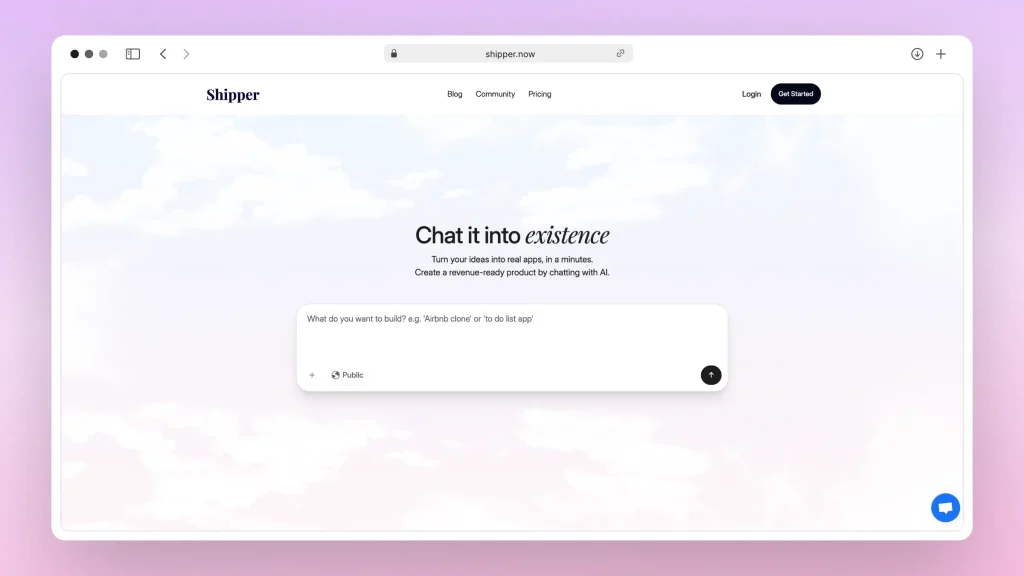
Shipper.now focuses on flexibility without overwhelming users.
Where Floot locks you into its stack, Shipper lets you build fast while still connecting to your own tools and APIs.
Where Shipper Beats Floot
- Precise edits (changes apply only where you select)
- Lighter for simple projects
- Integrations-first mindset
- Easier migration and ownership
Shipper is especially strong for non-technical founders who want speed without lock-in.
3. Lovable (AI Engineer-Style Floot Alternatives)
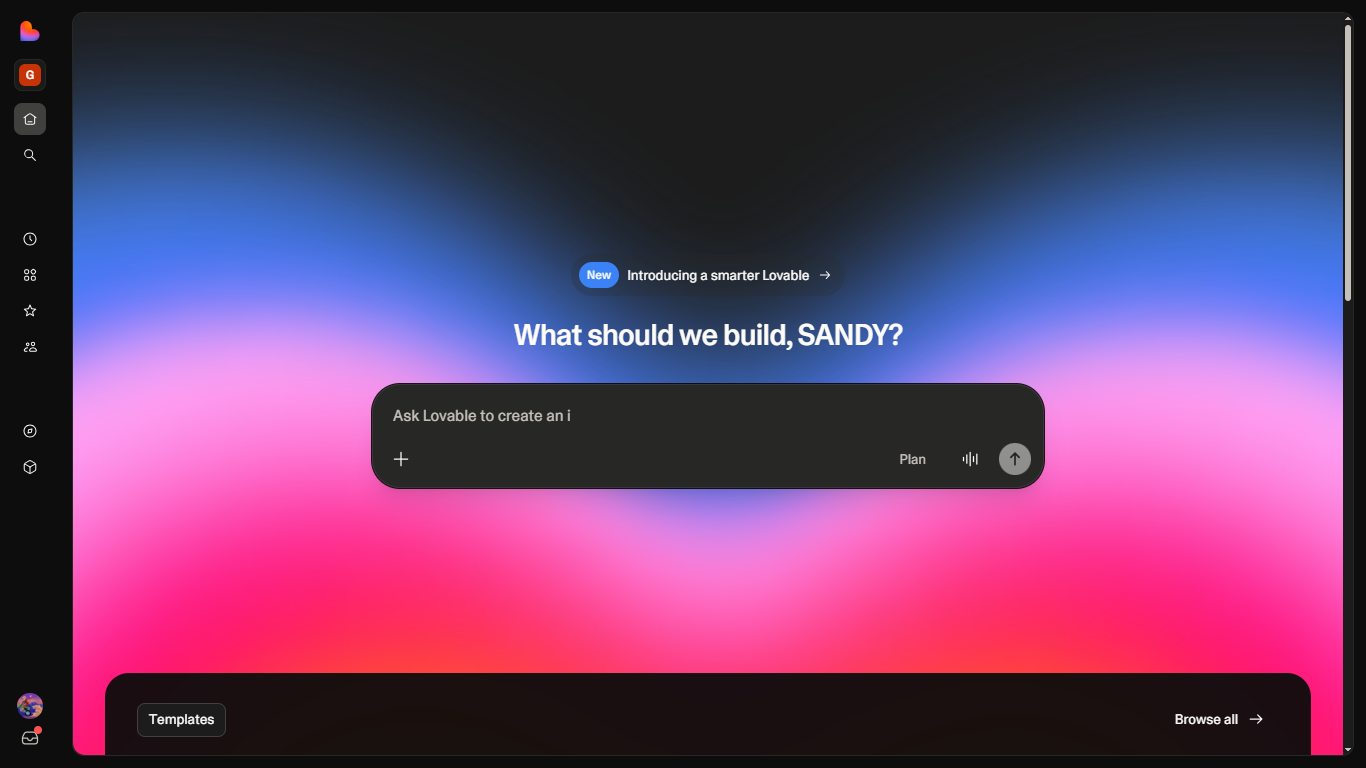
Lovable brands itself as “the world’s first AI Fullstack Engineer.”
You describe what you want, and Lovable generates frontend, backend, and deployable code.
Pros
- Feels closer to working with a real engineer
- Strong at full-stack generation
- You can inspect and edit the code
Cons
- Heavier learning curve for non-technical users
- Less guided than Floot
- Usage-based pricing scales quickly
Lovable and Floot overlap heavily—choosing between them often comes down to whether you want more visibility into the code.
4. Bolt.new (Fastest for Prototypes )
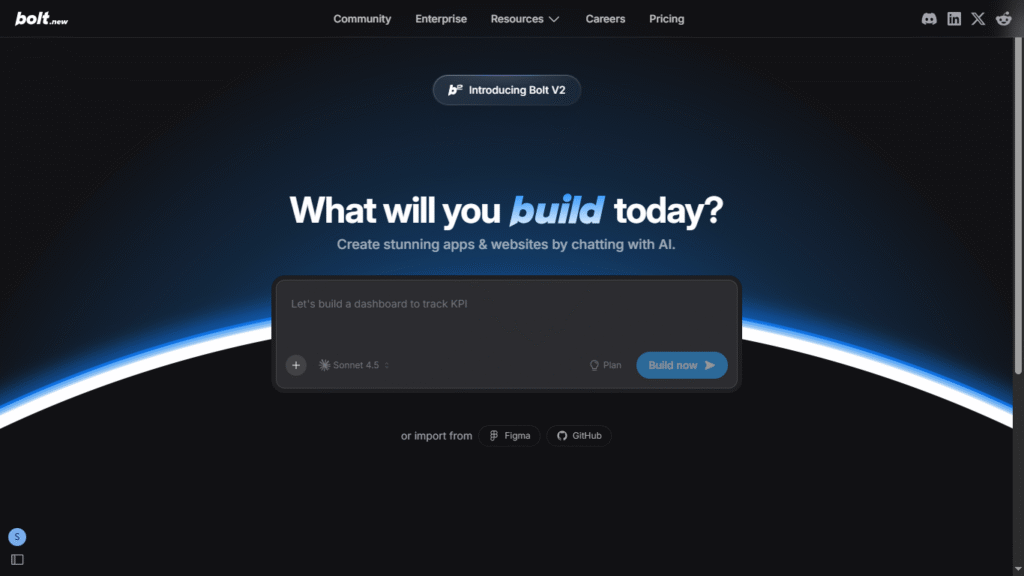
Bolt.new is all about speed.
You prompt it, and it spins up a working web app in seconds.
Strengths
- Extremely fast
- Code is editable
- Great for demos and MVPs
Limitations
- Apps often need polishing
- Less opinionated about scaling
- Not a full all-in-one stack
Bolt is lighter and faster than Floot—but not as production-focused.
5. Cursor (Best for Developers Who Code)
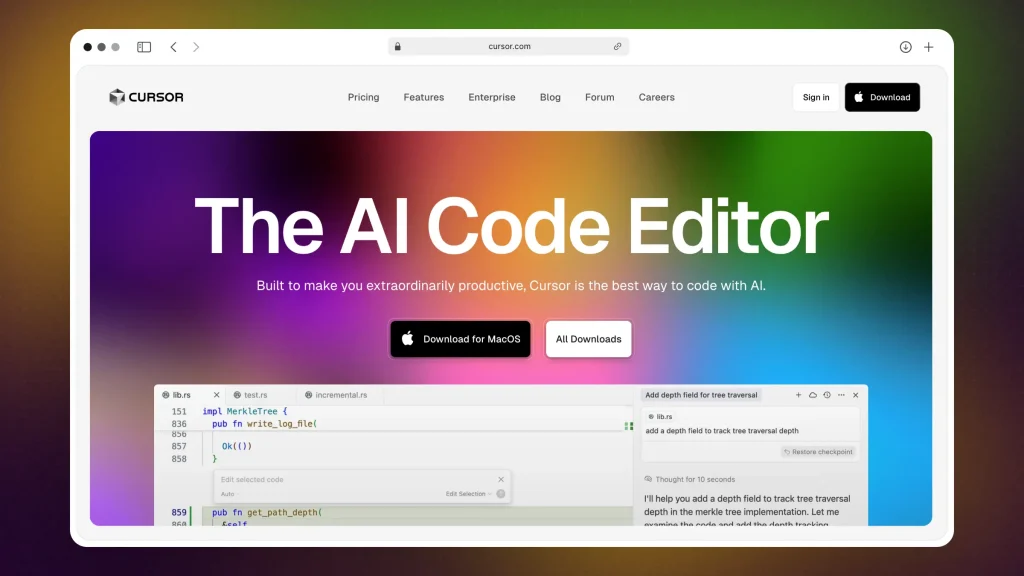
Cursor is essentially VS Code with AI built in.
It’s powerful—but aimed at developers, not no-code builders.
Cursor vs Floot
- Floot = avoid code
- Cursor = write code faster
If you’re already comfortable coding, Cursor is unmatched. If not, it’s likely overkill.
Floot Alternatives Comparison Table
| Tool | Best For | Ease of Use | Lock-In | Pricing | Our Score |
|---|---|---|---|---|---|
| Floot | All-in-one stack | Medium | High | $25/mo | 4.3 |
| PromptXL | Long-term software | Medium | None | Flexible | 4.8 |
| Shipper.now | Non-coders | Very Easy | Low | $25/mo | 4.6 |
| Lovable | Full-stack builds | Medium–High | Medium | $25/mo | 4.5 |
| Bolt.new | Prototypes | Very Easy | Low | $25/mo | 4.4 |
| Cursor | Developers | Hard | None | $20/mo | 4.1 |
How We Evaluated Floot Alternatives
We didn’t just skim landing pages.
Each tool was tested by:
- Building real projects
- Measuring precision of edits
- Testing integrations
- Evaluating lock-in risk
- Comparing value at ~$25/month
We also cross-checked user reviews from Product Hunt, Reddit, and Trustpilot.
Final Verdict: Which Floot Alternatives Is Best?
It depends on what you value most:
- Choose Floot if you want an all-in-one, no-code stack and accept lock-in
- Choose PromptXL if you want ownership, flexibility, and long-term scalability
- Choose Shipper if you’re non-technical and want the easiest path without lock-in
- Choose Lovable if you want an “AI engineer” experience
- Choose Bolt for speed and prototyping
- Choose Cursor if you code daily
For most builders looking beyond Floot, PromptXL stand out as the most future-proof alternatives—one for control, the other for simplicity.
🚀 Build Without Platform Limits
Create your project: https://app.promptxl.com
Learn more: https://promptxl.com
Build with real files, multi-LLM intelligence, and zero lock-in.